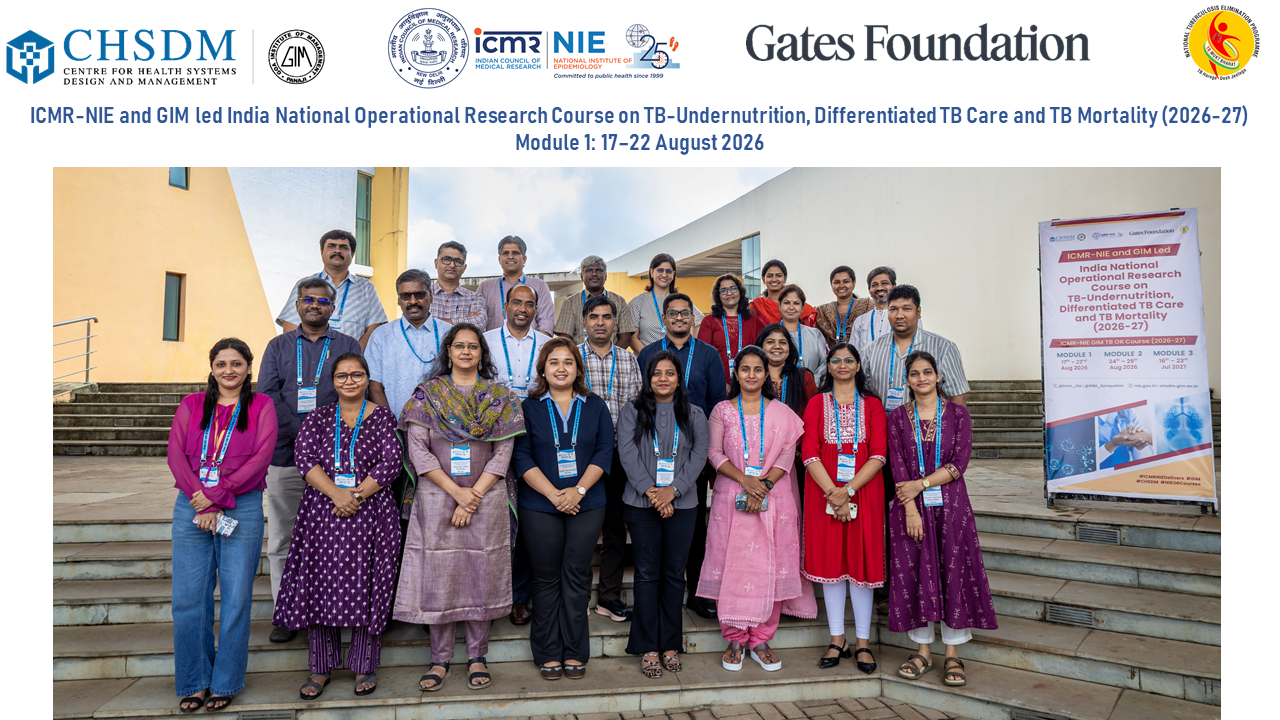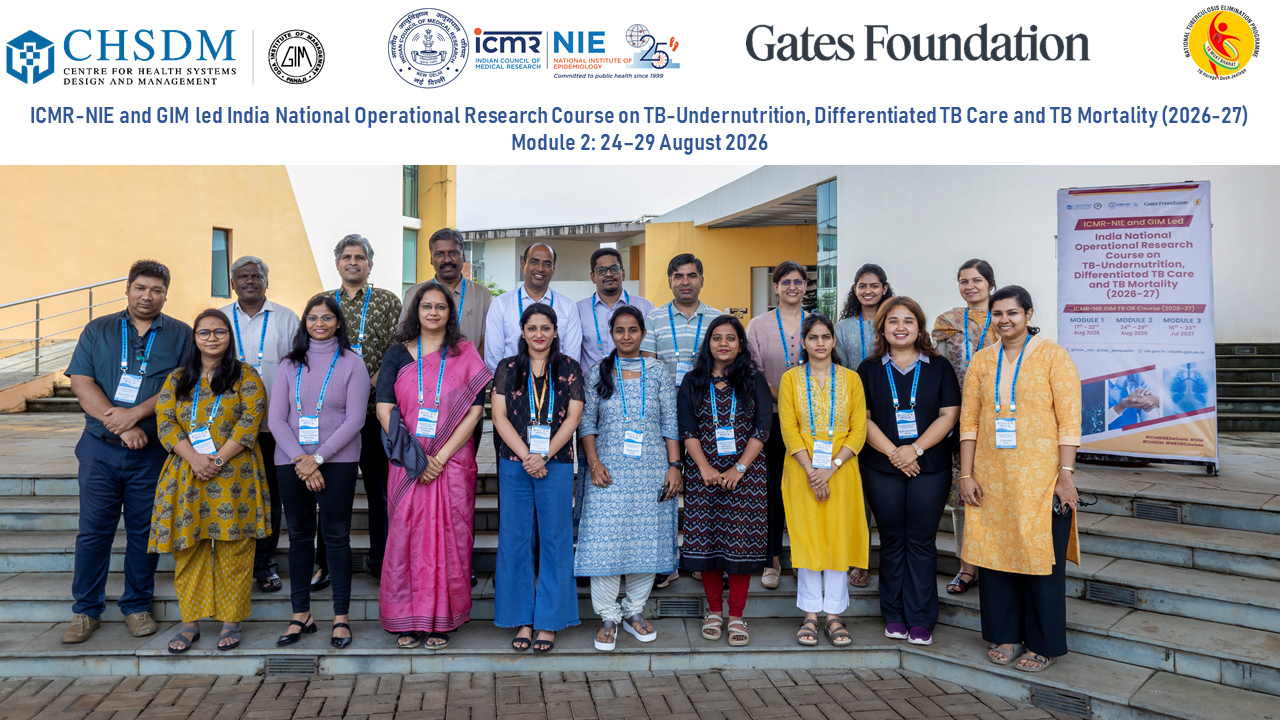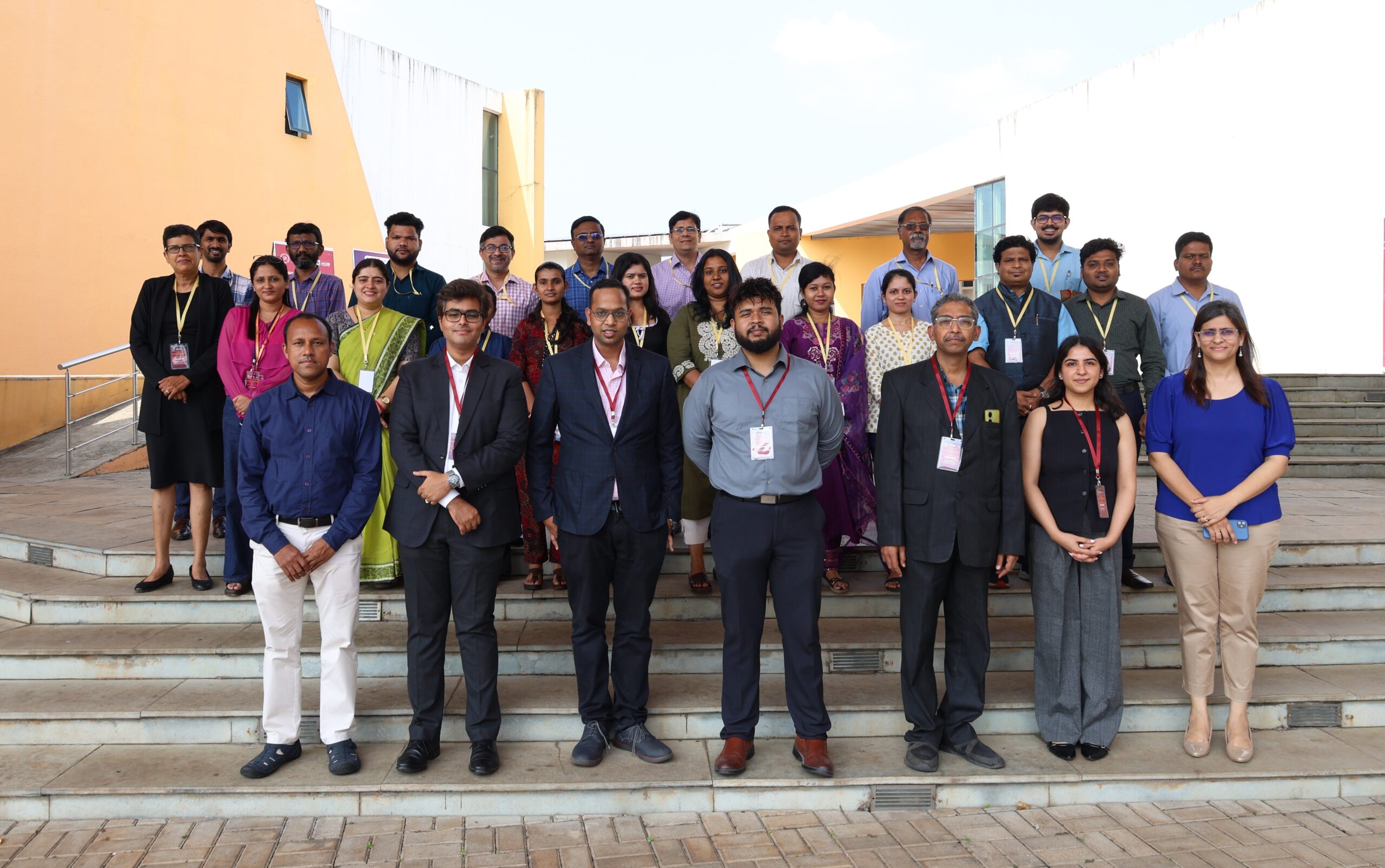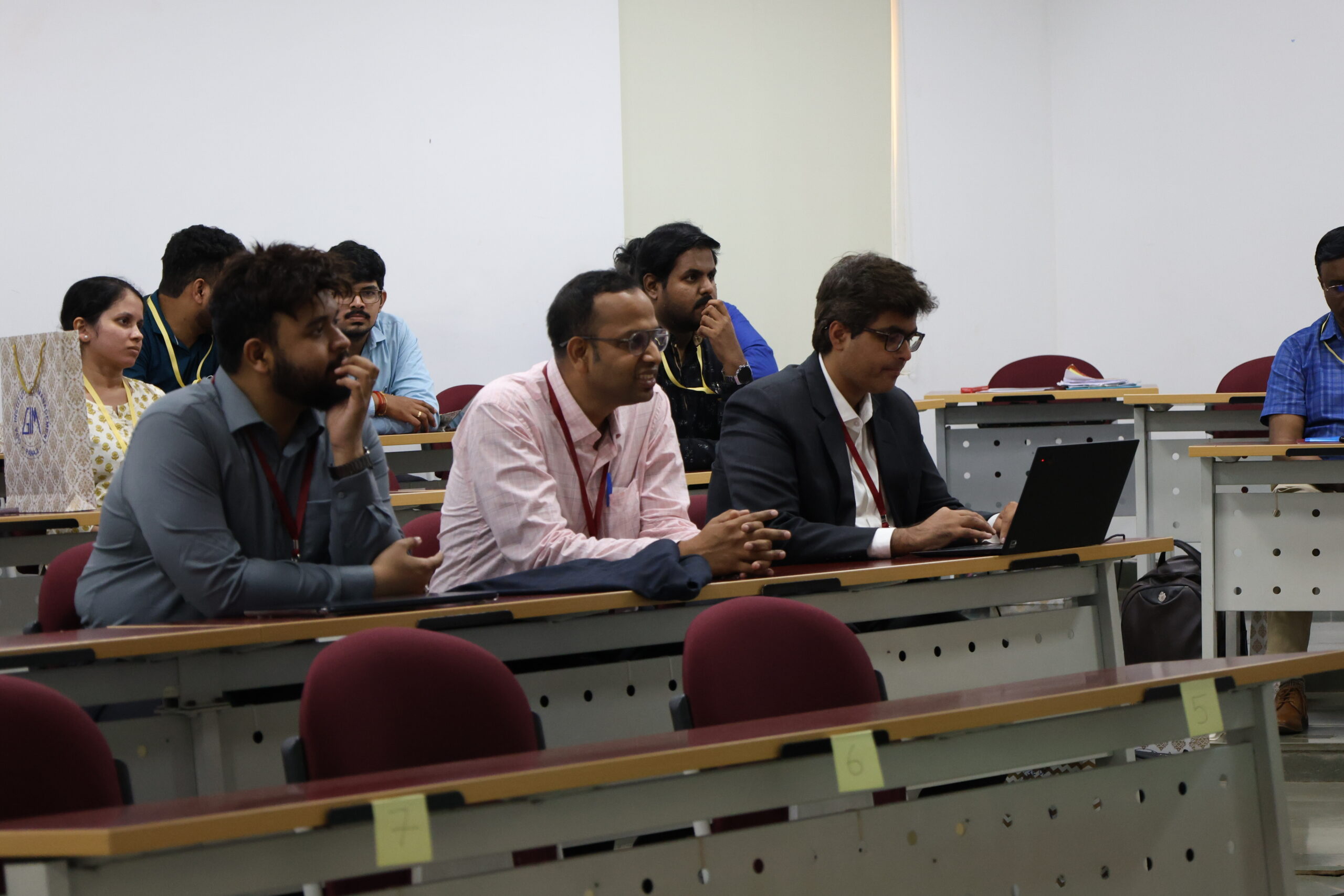
The Centre for Health Systems Design and Management (CHSDM), Goa Institute of Management, in collaboration with the ICMR National Institute of Epidemiology (ICMR-NIE), successfully conducted Modules 1 and 2 of the India National Operational Research Course on TB-Undernutrition, Differentiated TB Care and TB Mortality (2026-27) at GIM, Sanquelim.
Module 1: Operational Research and Protocol Development (17-22 August 2026)
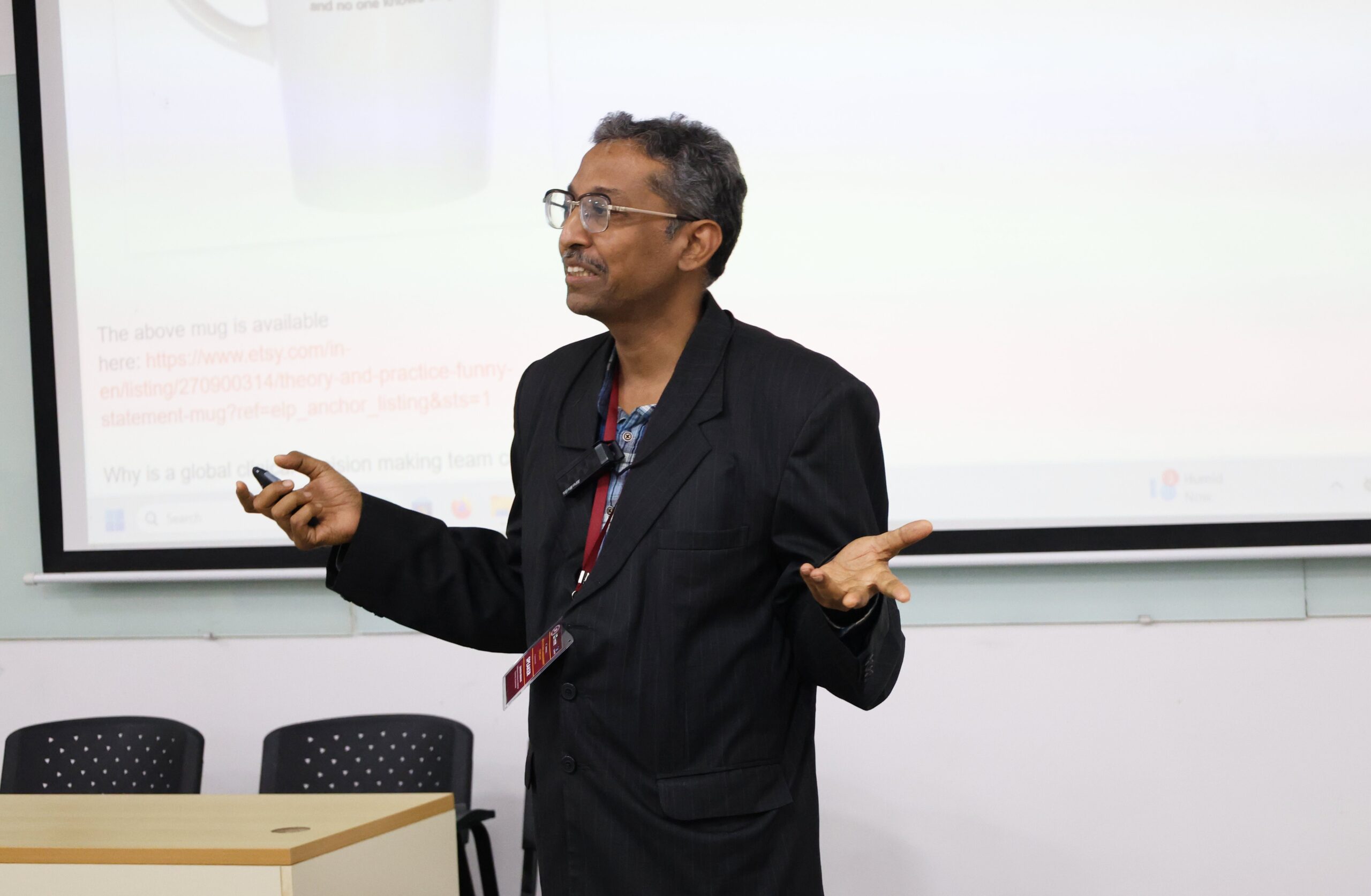
This six-day module developed mentees’ understanding of operational and implementation research through lectures, discussions, and examples of completed and published operational research projects, including Tamil Nadu’s Kasanoi Erappila Thittam (#TNKET), which achieved a 30-60% reduction in TB deaths. Mentees worked on framing research questions, methodology, literature searches using PubMed, reference management using Mendeley, and research ethics. By the final day, each mentee had developed and presented a draft research protocol and completed the ICMR-NIE Ethics Committee application form, ahead of formal submission the following week.
Module 2: Efficient, Quality-Assured Data Capture and Analysis (24-29 August 2026)
Building on Module 1, this module focused on efficient and quality-assured data capture, described in the course materials as the “Cinderella of research methods” since it is often the most neglected part of research despite being essential to producing clean, valid results. Mentees learned mobile-based data capture using EpiCollect5 and data management and analysis using EpiData Analysis software, covering data cleaning, restructuring datasets, descriptive statistics, and inferential statistics. The module concluded with mentees presenting their outputs and finalizing their protocols, ethics submissions, and milestones.
Both modules were delivered by a team of experienced mentors and observers, with each mentee assigned to a mentor group for ongoing guidance.
Module 3 of the course will begin in July 2027.
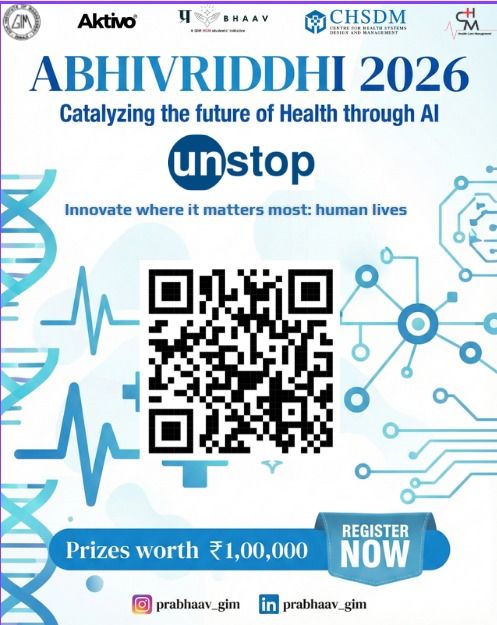
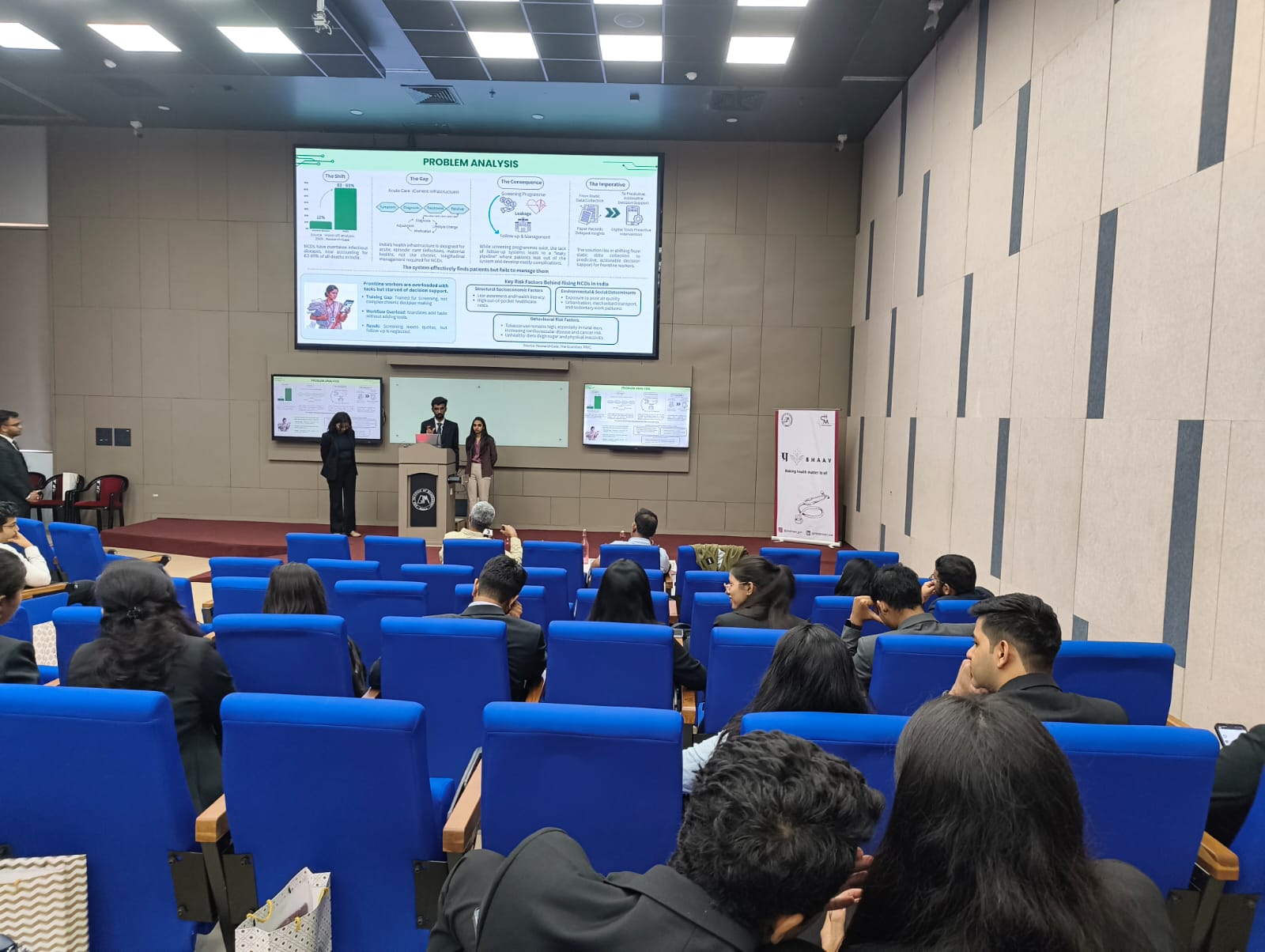
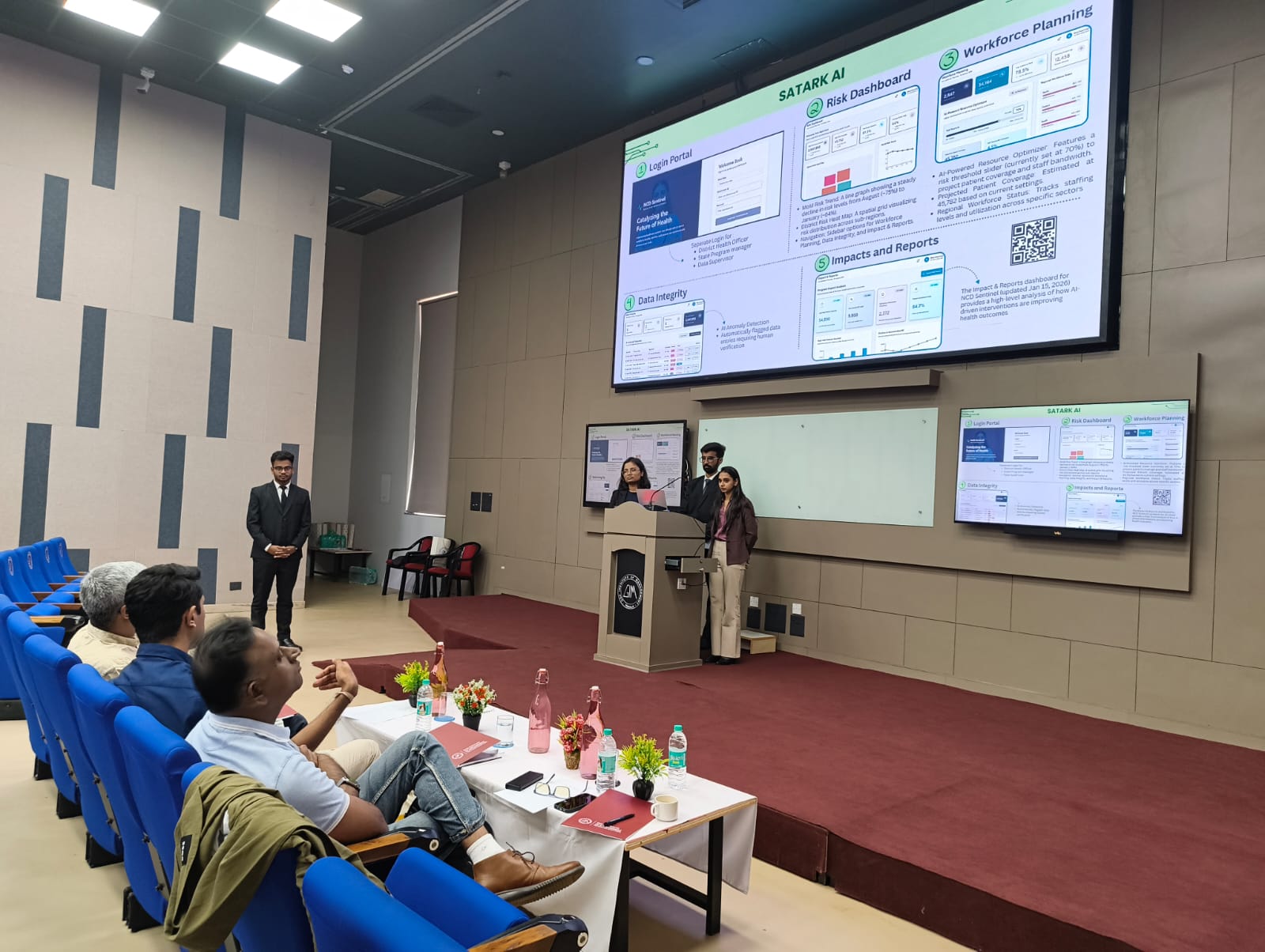
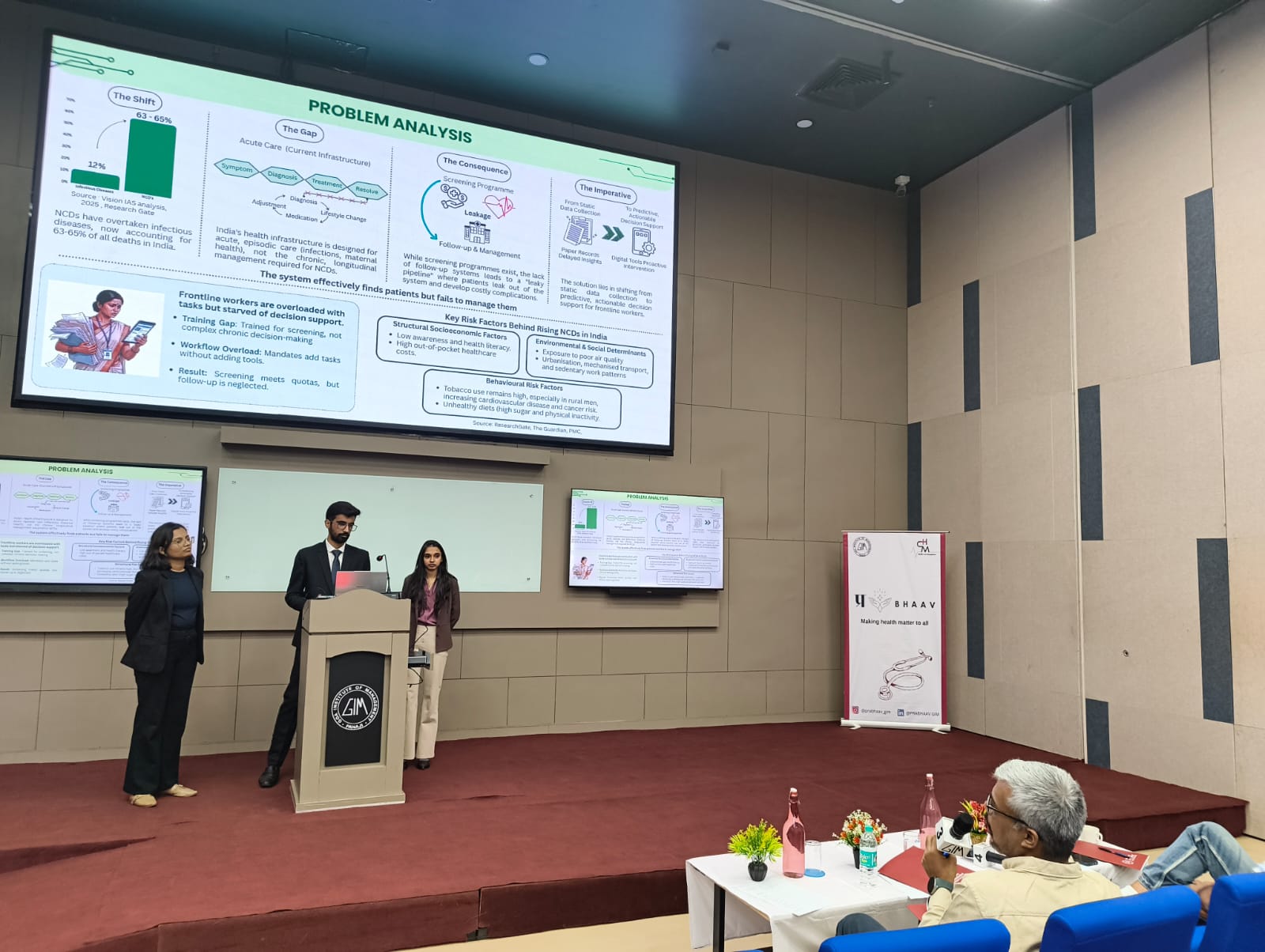
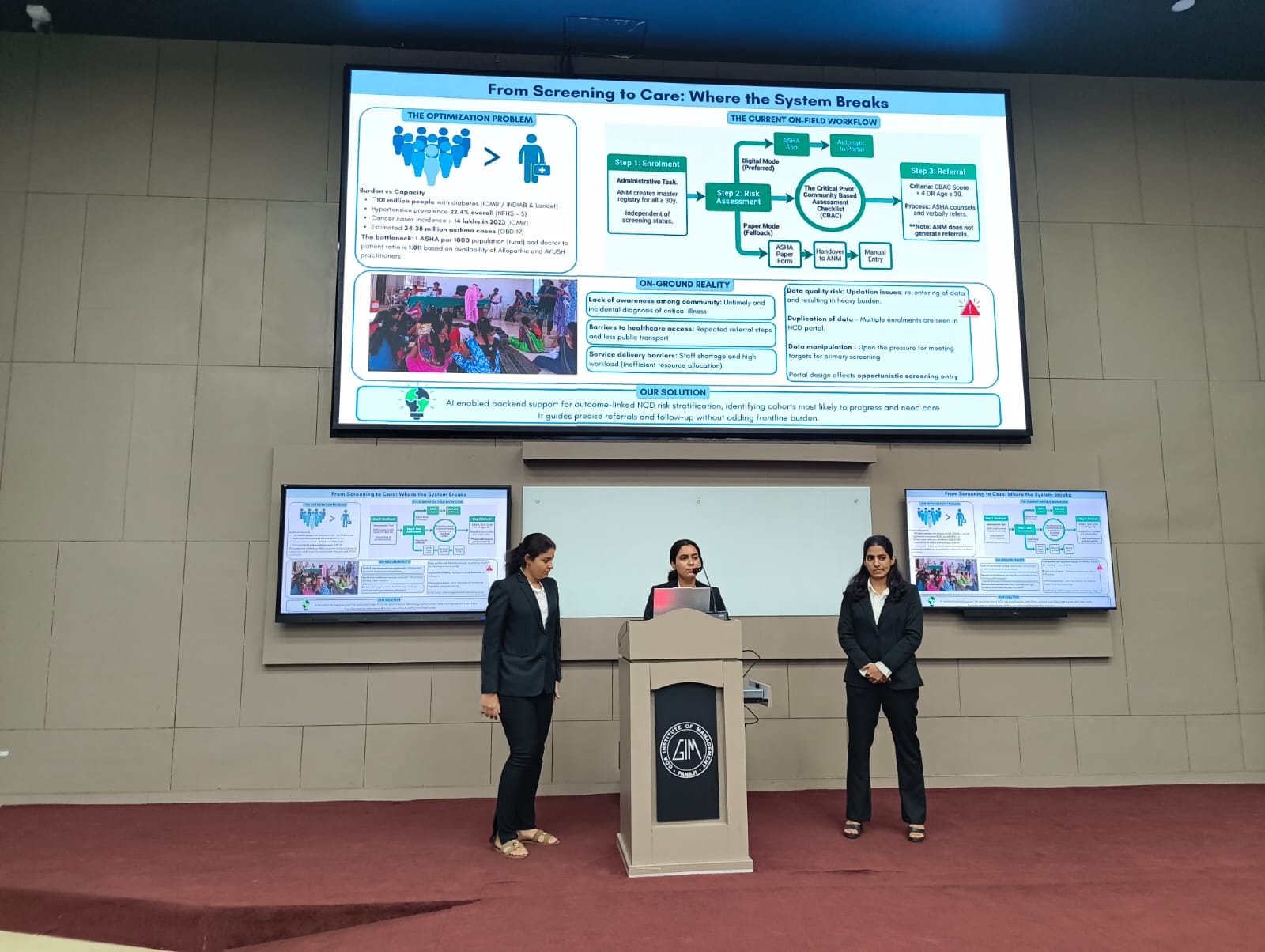
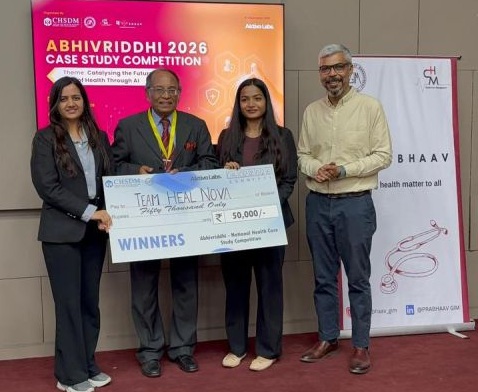
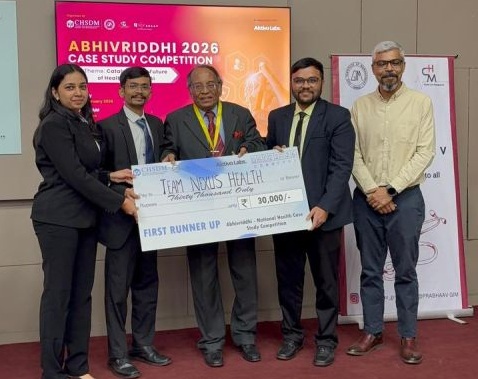
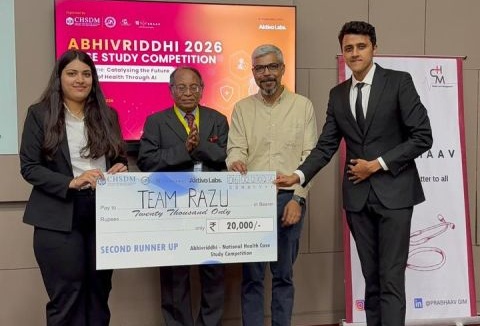
CHSDM partnered with Prabhaav, the Goa Institute of Management’s healthcare management students’ initiative, and Aktivo Labs for ABHIVRIDDHI 2026, a National Case Competition launched by the Goa Institute of Management (GIM). Anchored in the theme “Catalysing the Future of Health Through AI,” the competition invited students from management, healthcare, engineering, public health, and allied disciplines to engage with real-world healthcare challenges by designing AI-enabled solutions that balanced technical innovation, managerial feasibility, and ethical responsibility within the Indian healthcare context.
The competition encouraged participants to apply AI, data, and strategic thinking to healthcare delivery and policy challenges, while gaining exposure to managerial decision-making and implementation feasibility. Selected finalist teams presented their solutions during the Grand Finale at the Goa Institute of Management. The competition featured a prize pool of ₹1,00,000, recognising innovative solutions with the potential to contribute to healthcare transformation.
The initiative was strengthened through the collaboration of Aktivo Labs and CHSDM, with academic guidance from Prof. Sreerupa Sengupta, Chair, Healthcare Management, and Prof. Kheya Melo Furtado, Professor at GIM, who played an important role in the design and framing of the case competition.
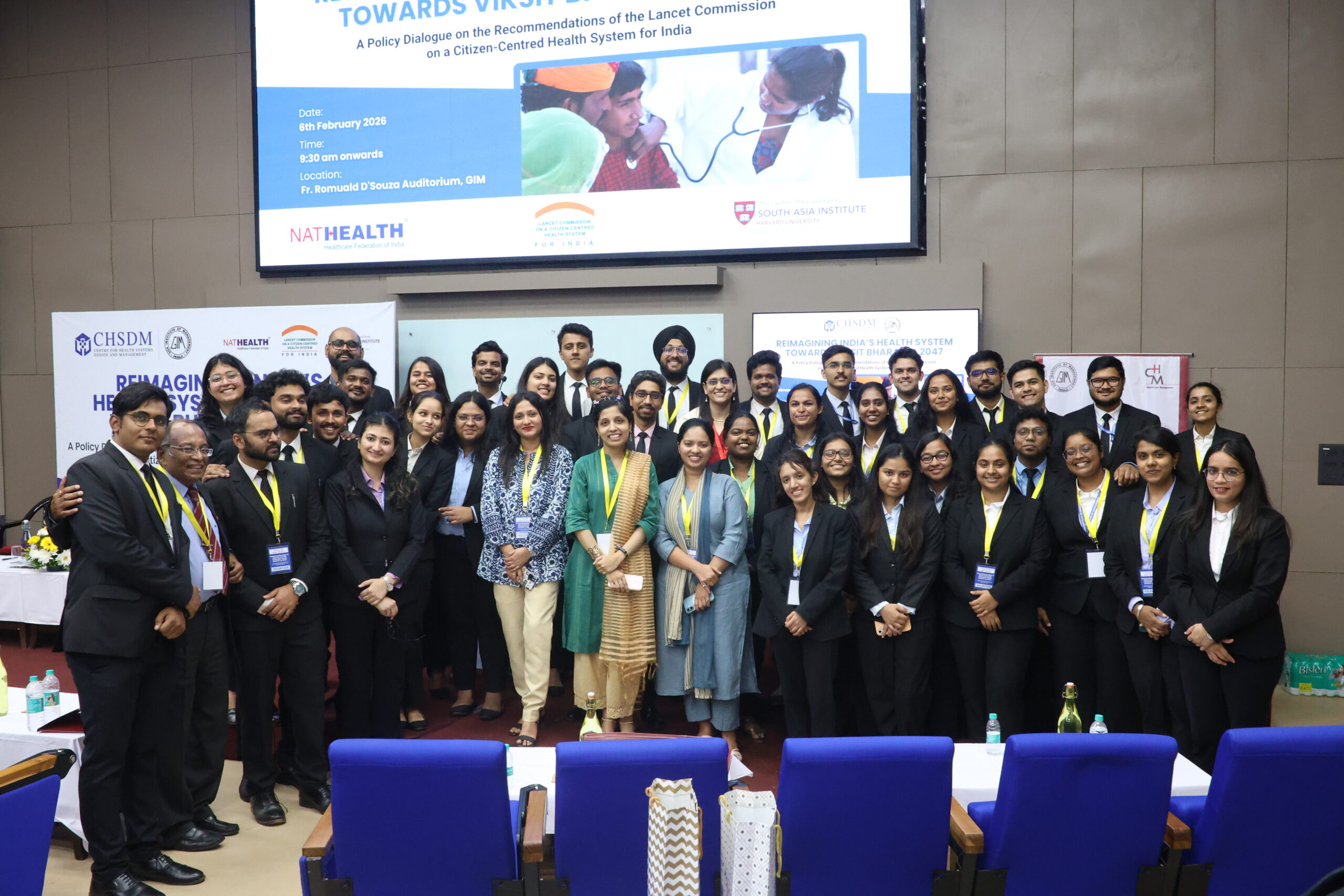
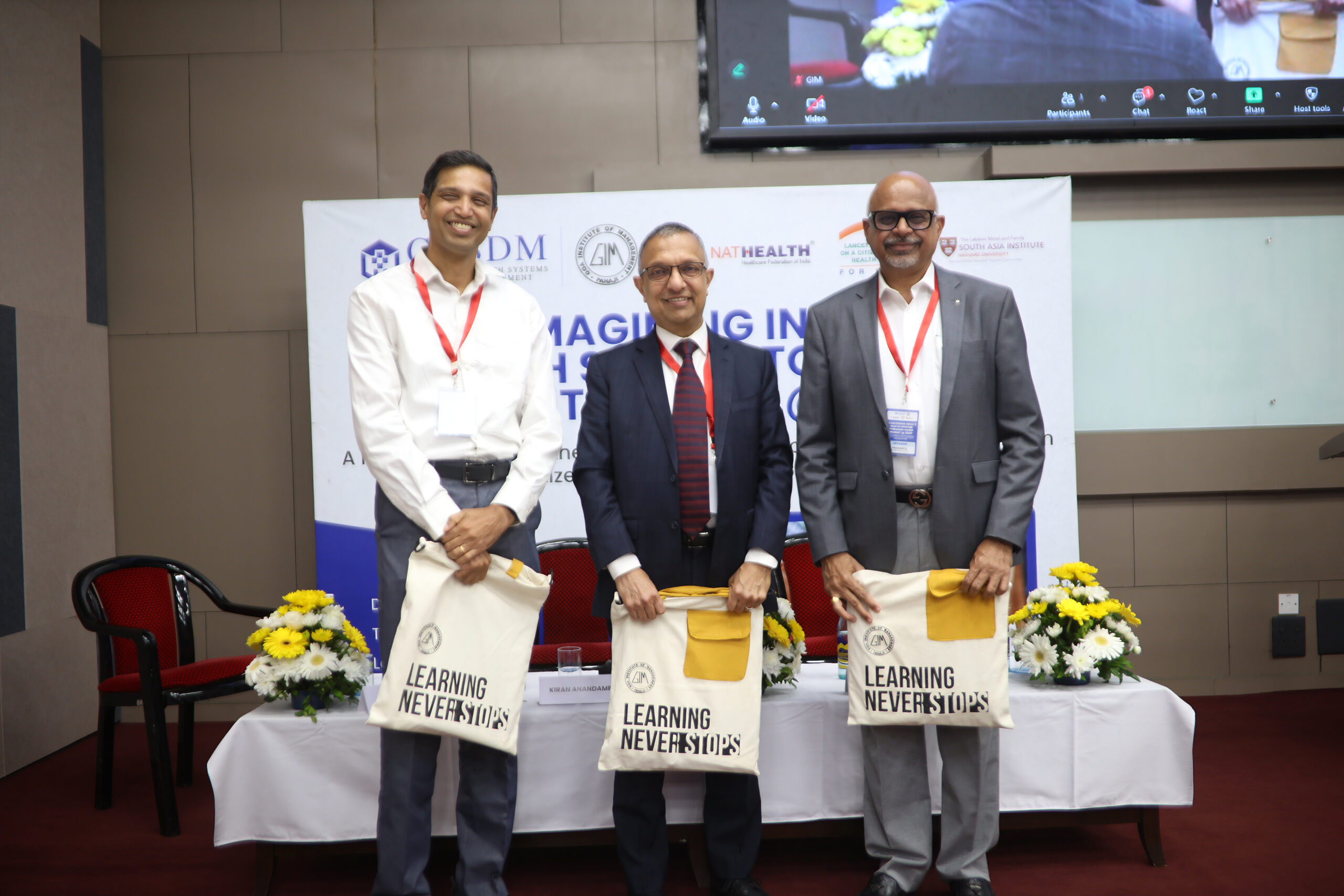
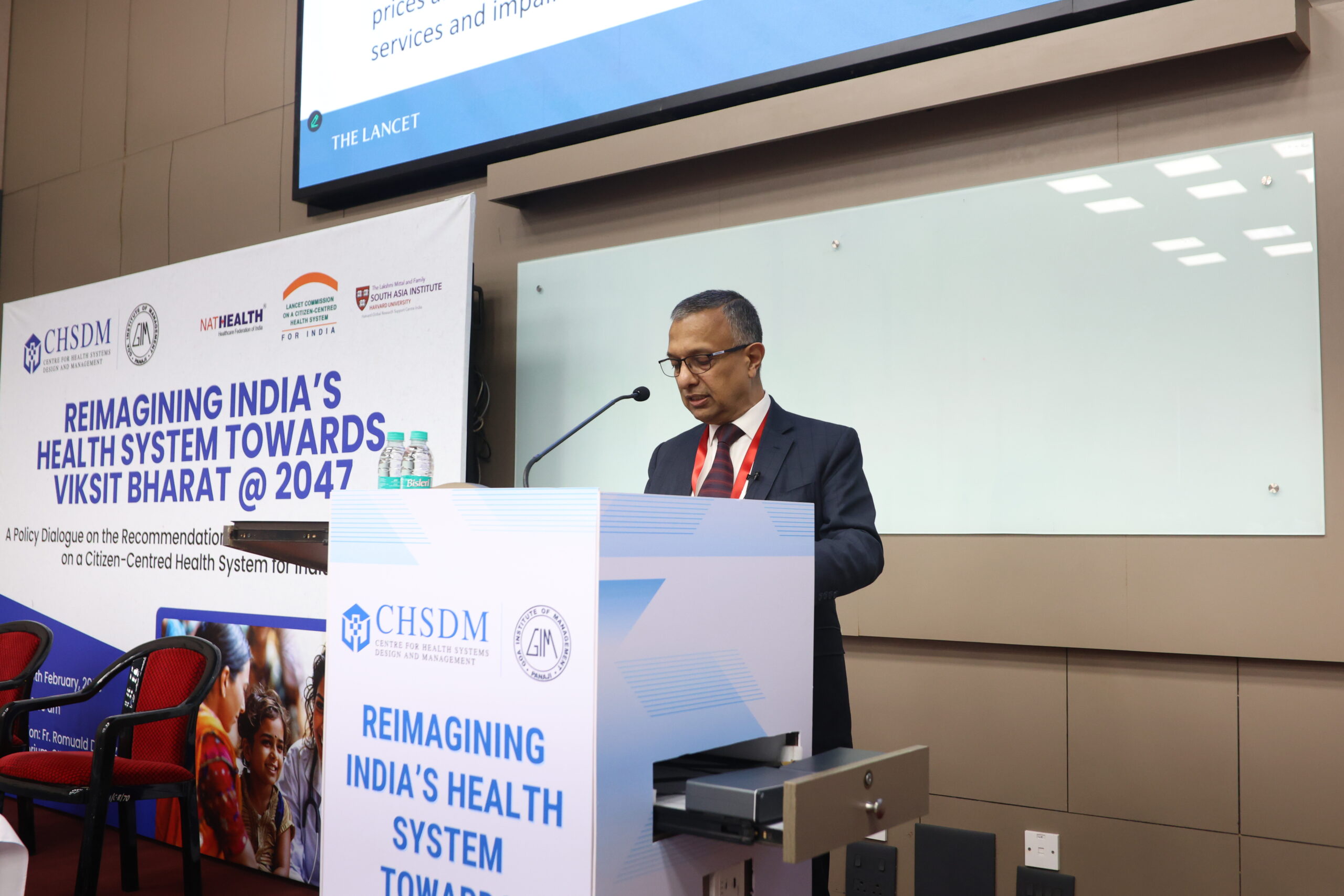
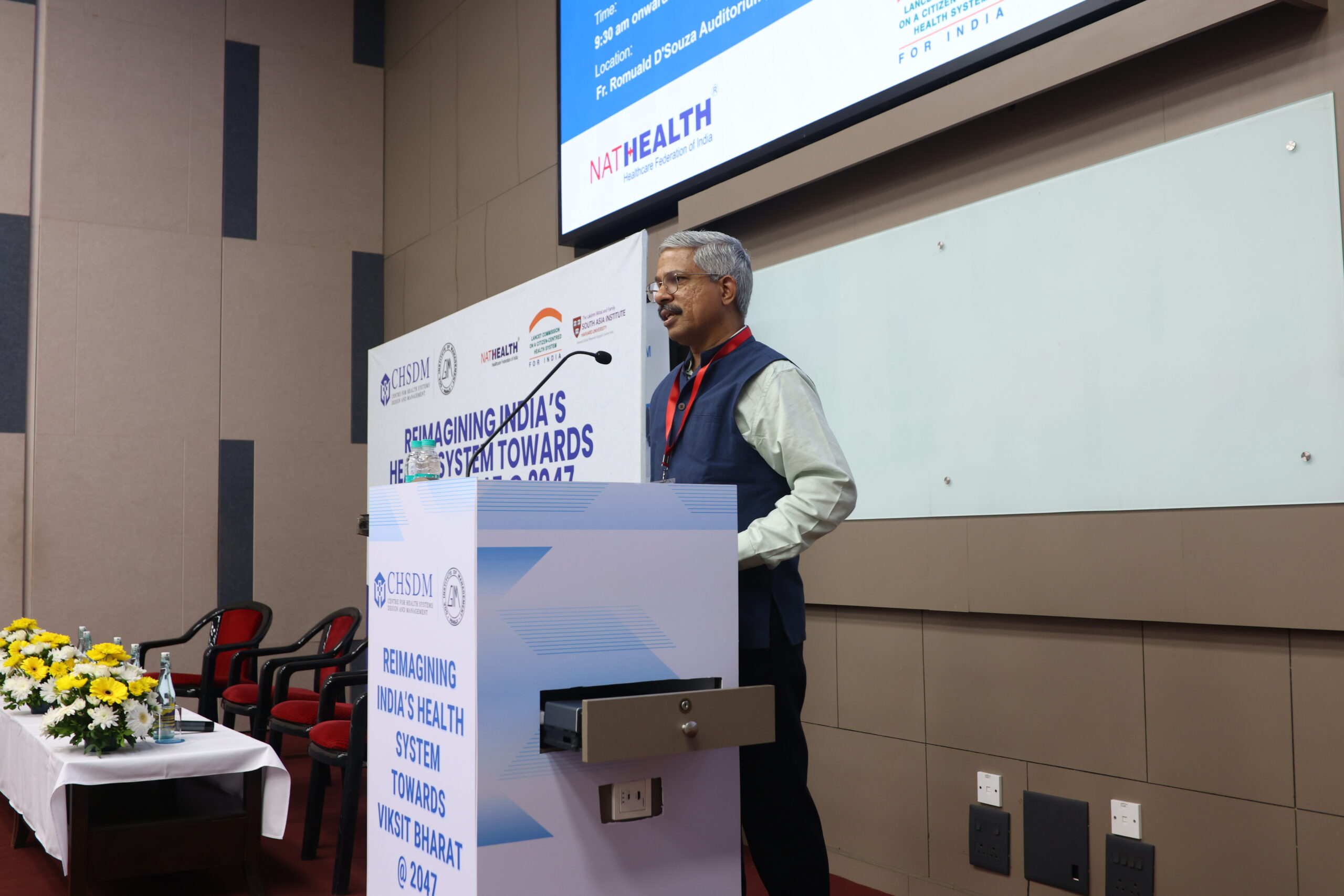
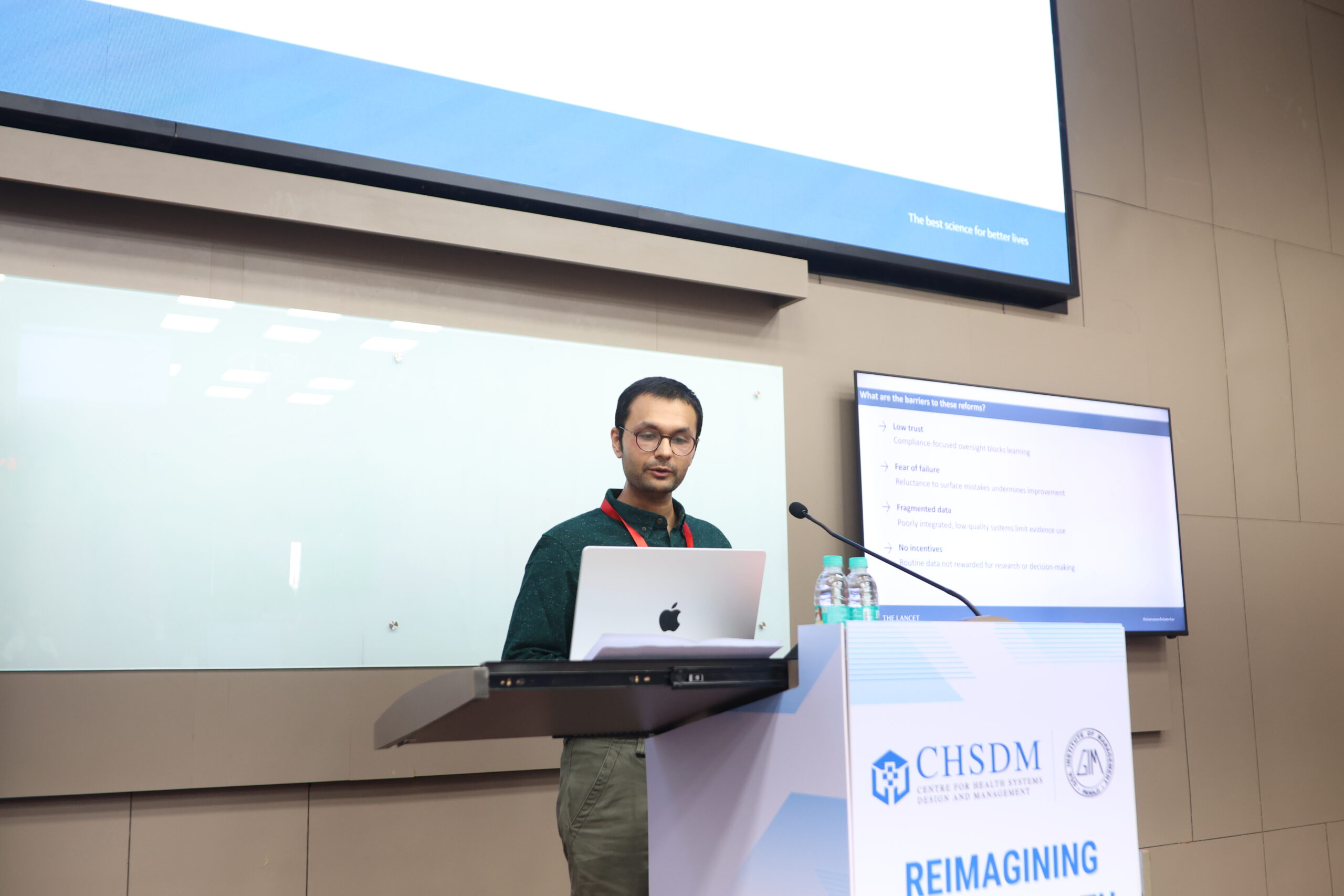
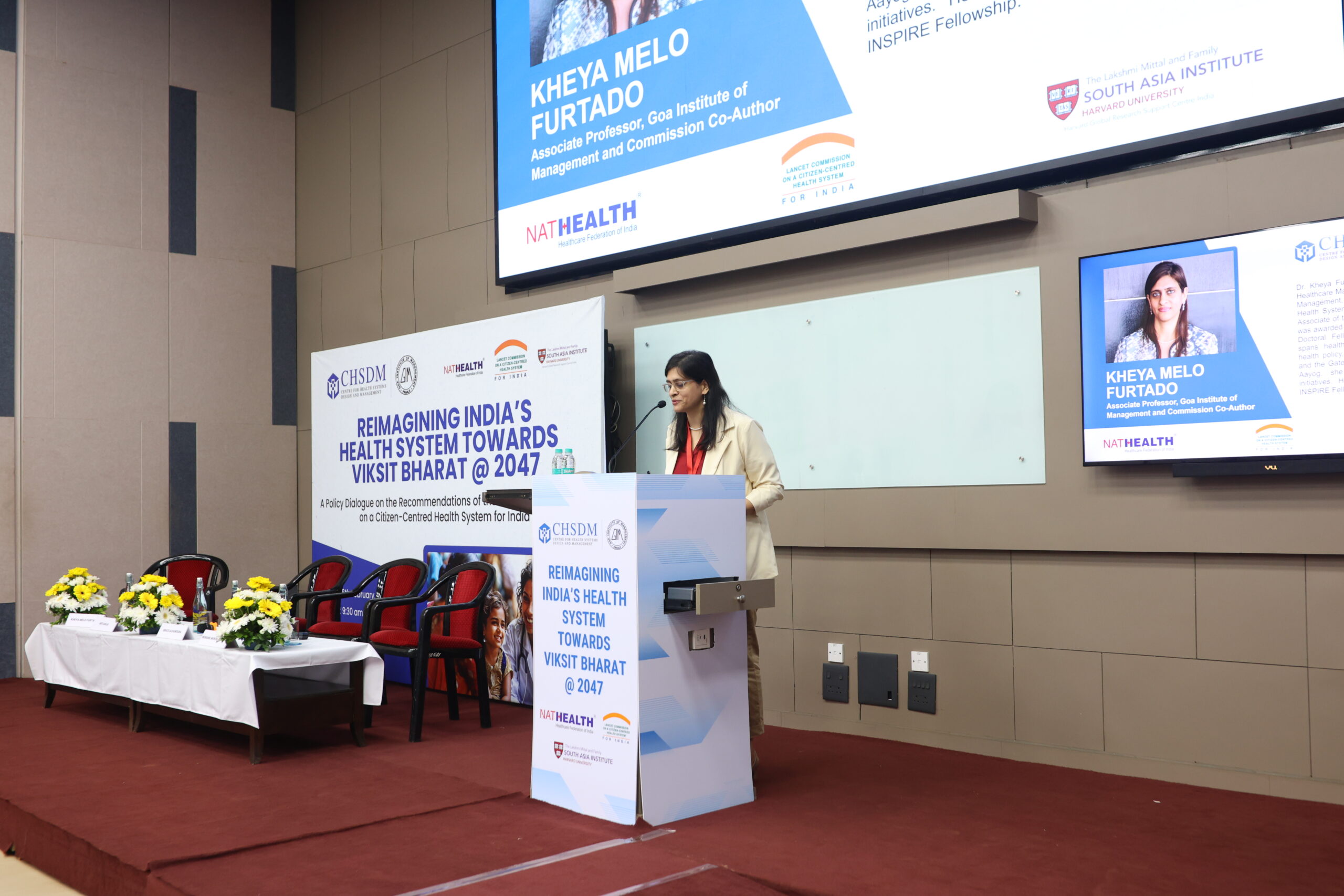
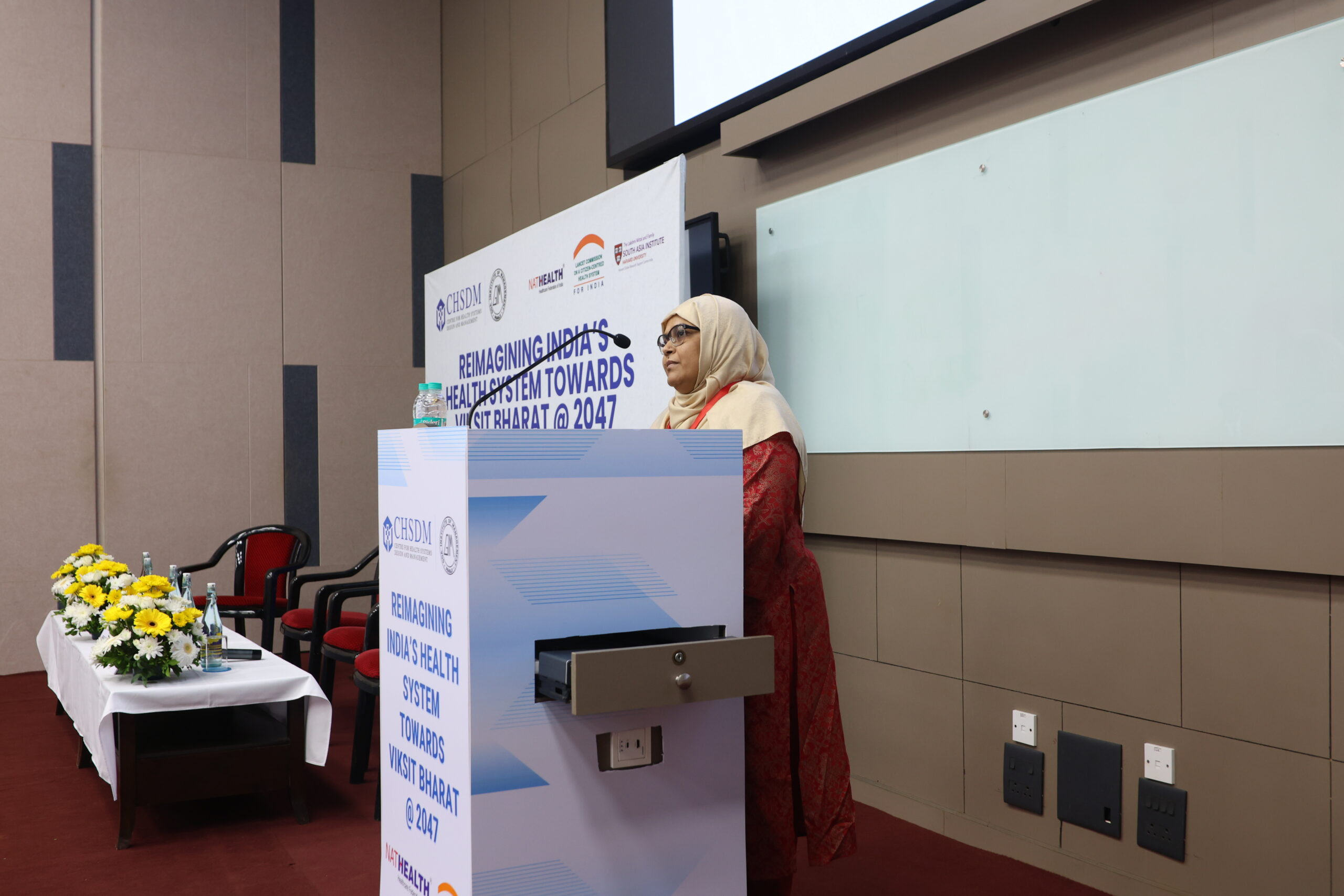
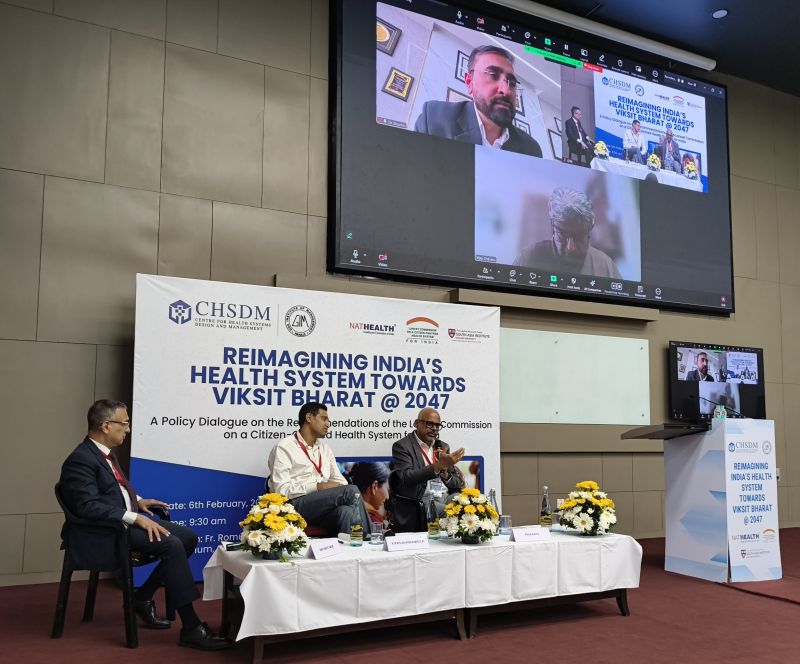
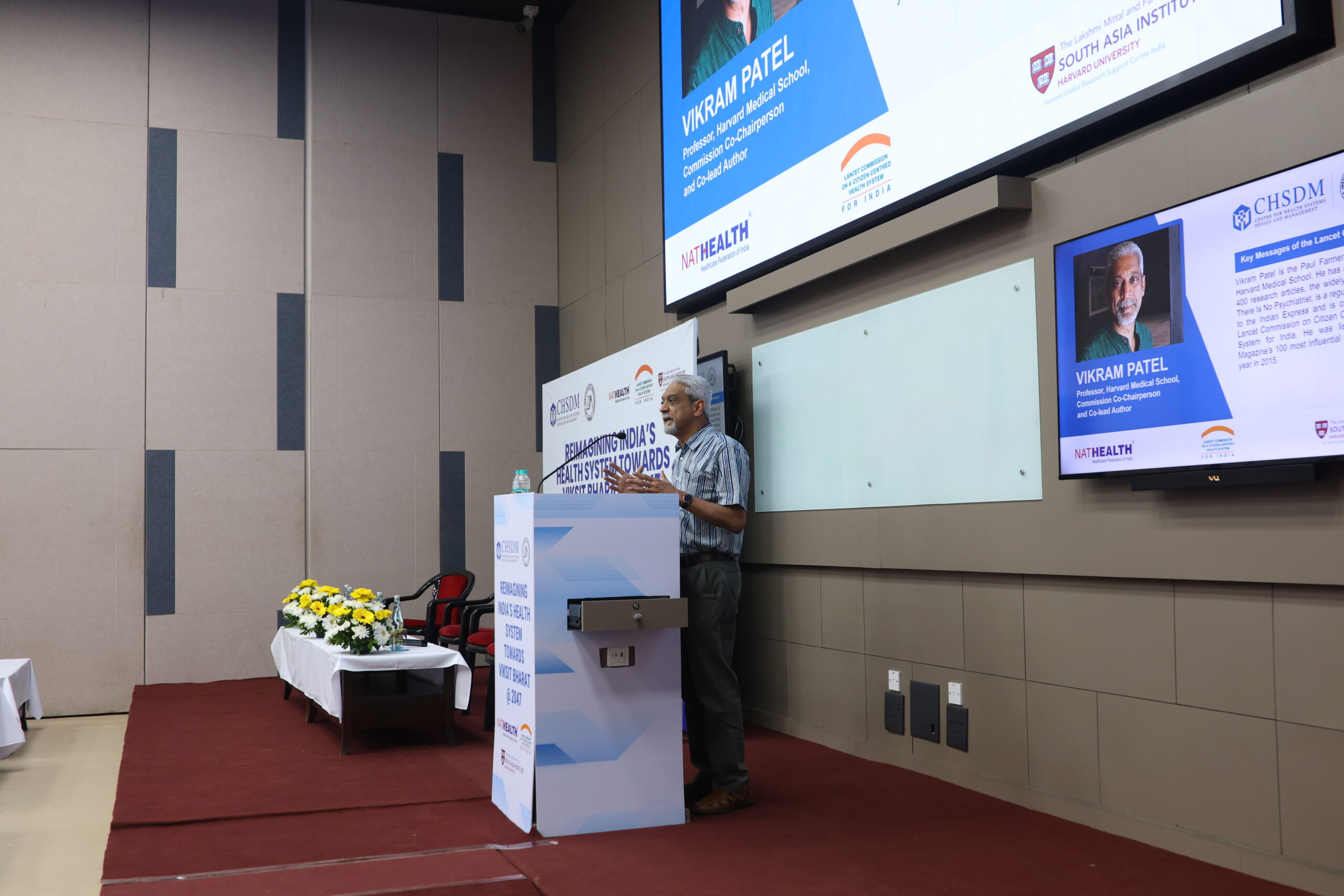
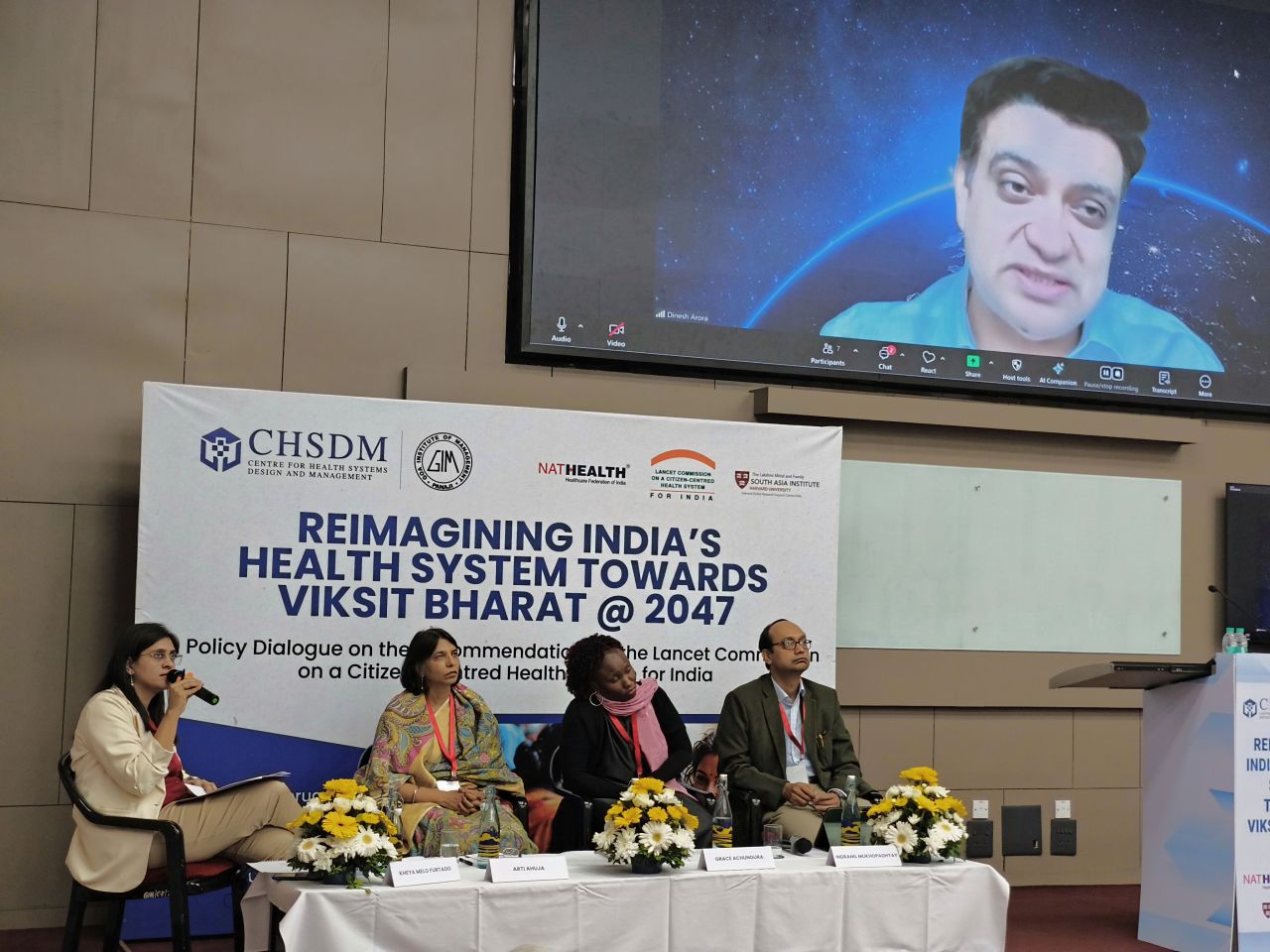
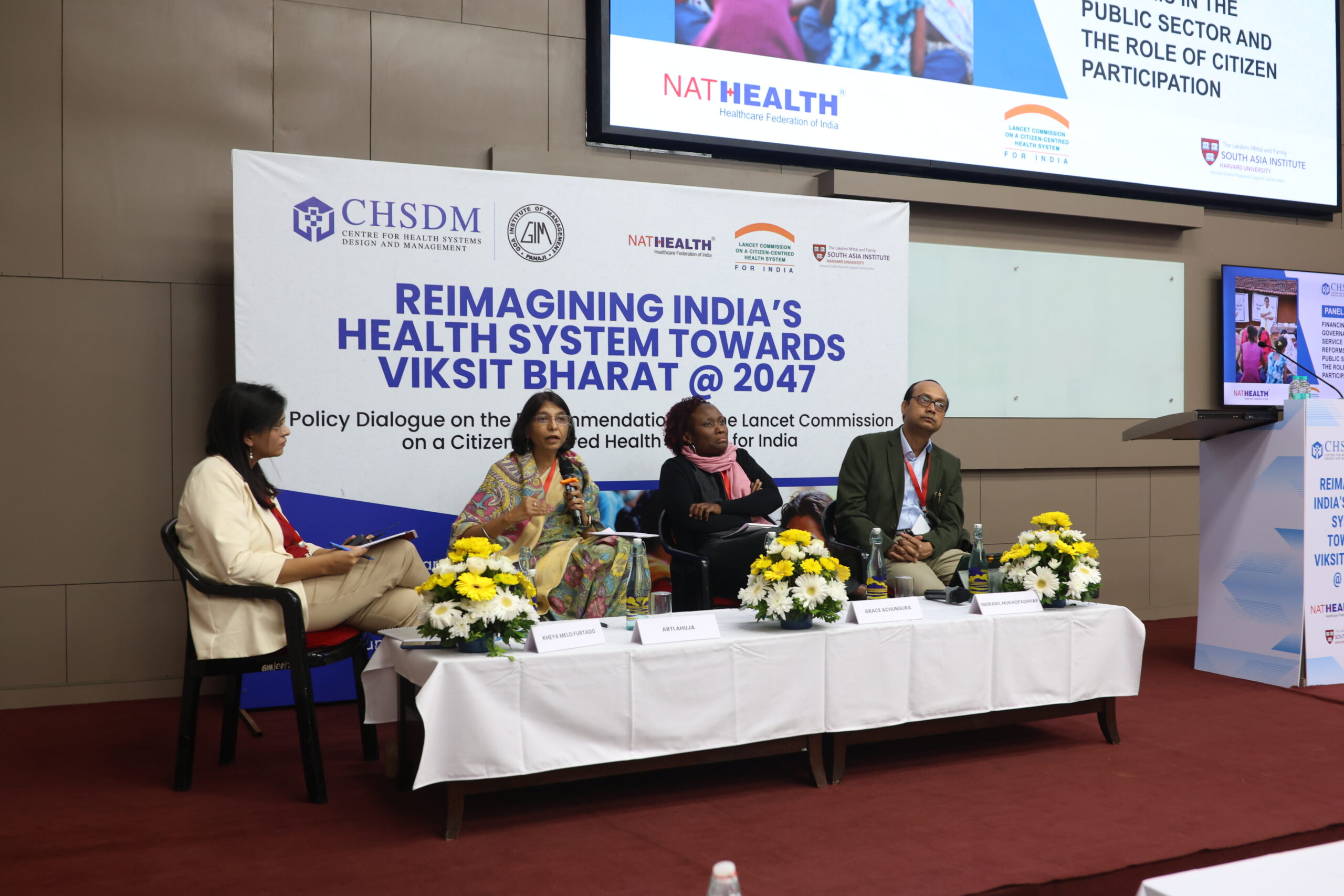
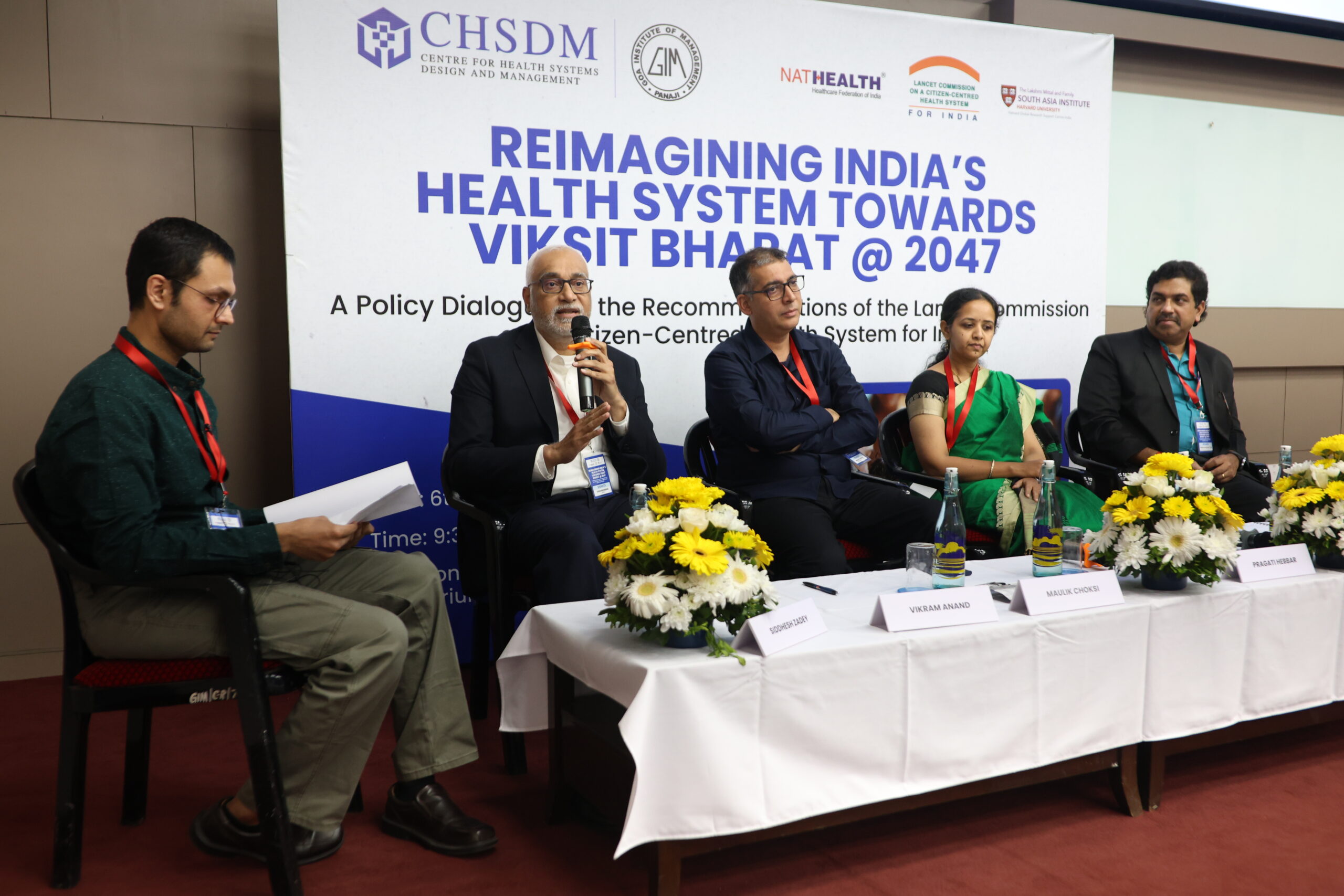
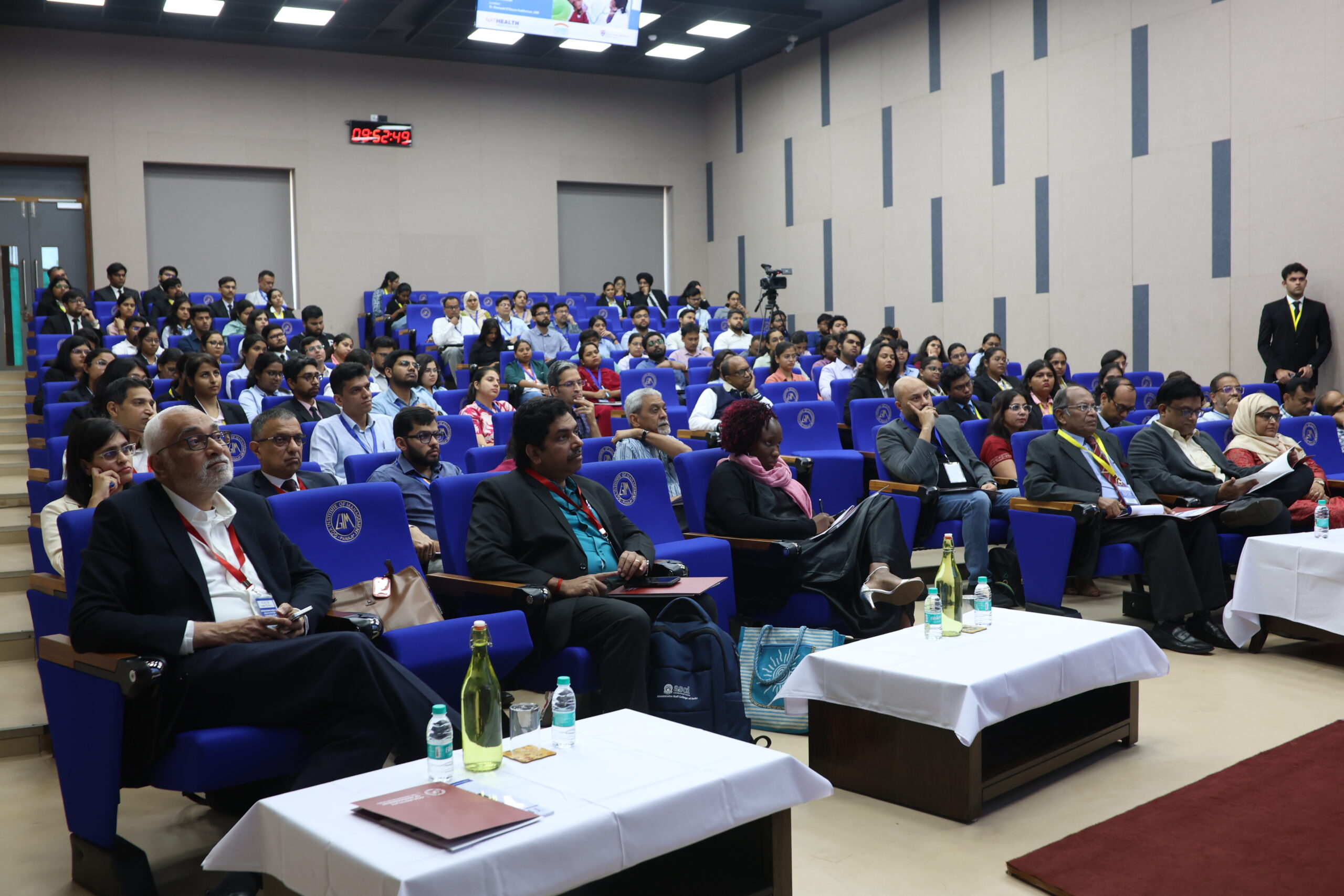
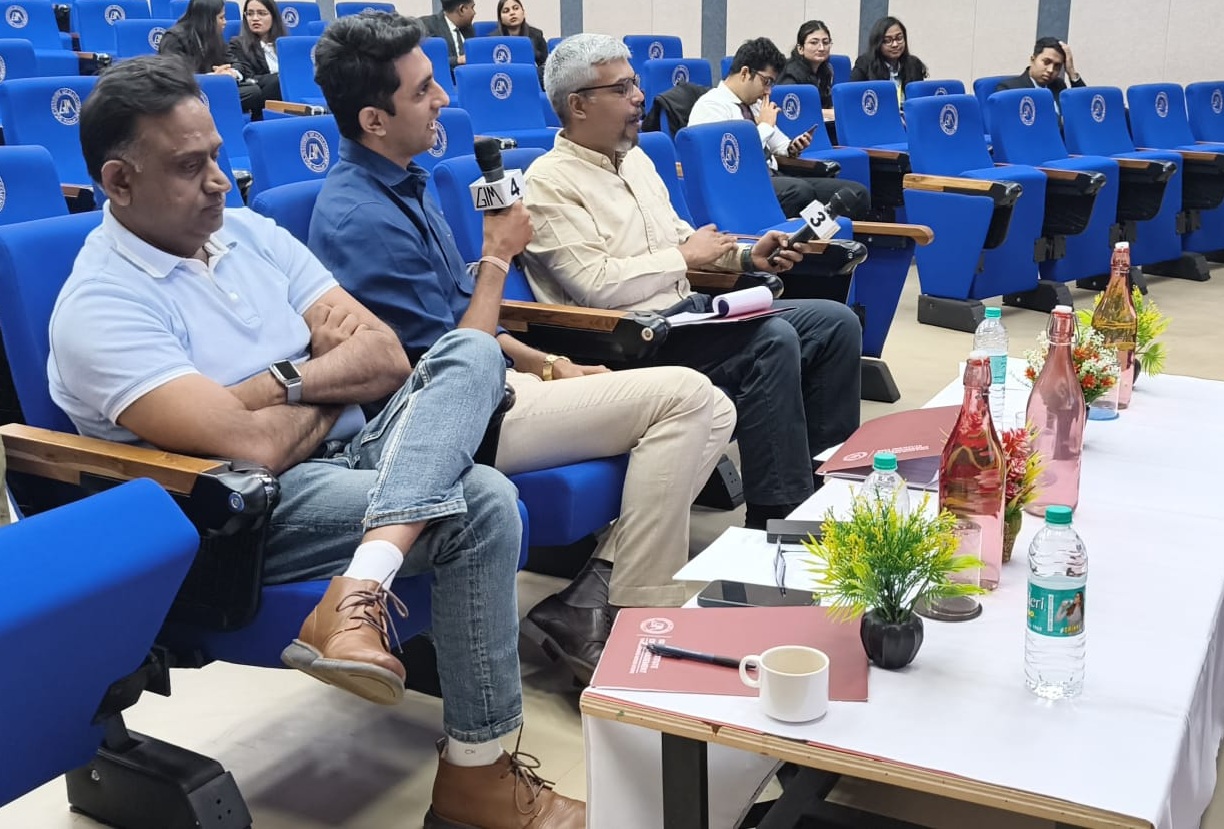
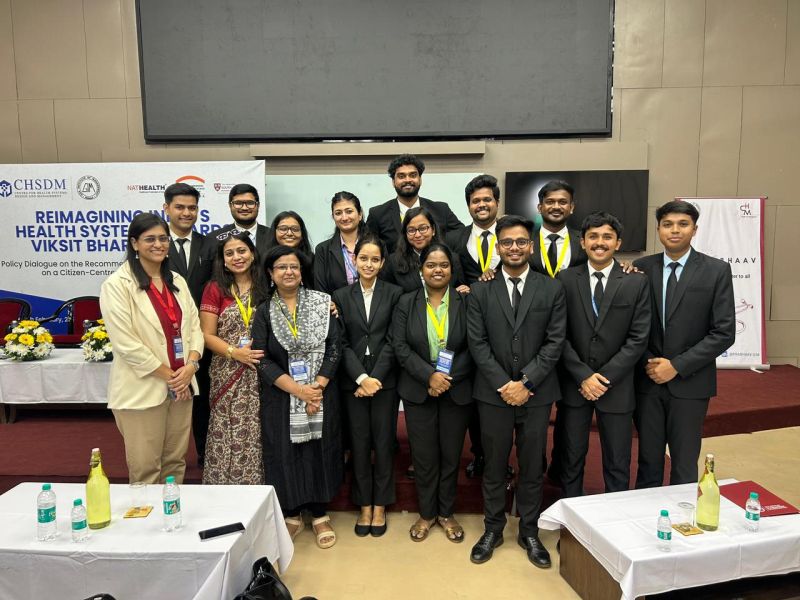
CHSDM hosted “Reimagining India’s Health System Towards Viksit Bharat @ 2047: A Policy Dialogue on the Recommendations of the Lancet Commission on a Citizen-Centred Health System for India” on 6 February 2026 at the Fr. Romuald D’Souza Auditorium, Goa Institute of Management. The dialogue focused on translating the recommendations of the Lancet Commission on a Citizen-Centred Health System for India into actionable reforms to advance Universal Health Coverage in India.
The discussions centred on three key reform areas: strengthening public sector financing, governance, and service delivery with enhanced citizen participation; aligning private sector engagement and digital technologies with UHC goals to improve access, affordability, and continuity of care; and fostering a learning health system through collaboration, transparency, and evidence-based policymaking. The dialogue featured speakers from diverse backgrounds, including policymakers, public health experts, clinicians, academics, representatives from multilateral organisations, industry leaders, and authors of the Commission report.
Approximately 140 participants attended the event, and it was also livestreamed on YouTube, enabling wider public engagement beyond the venue.